Cleared Land Without Leftover Obstacles
Tree Base Mulching in Stephens City for properties needing remaining tree bases processed after vegetation removal
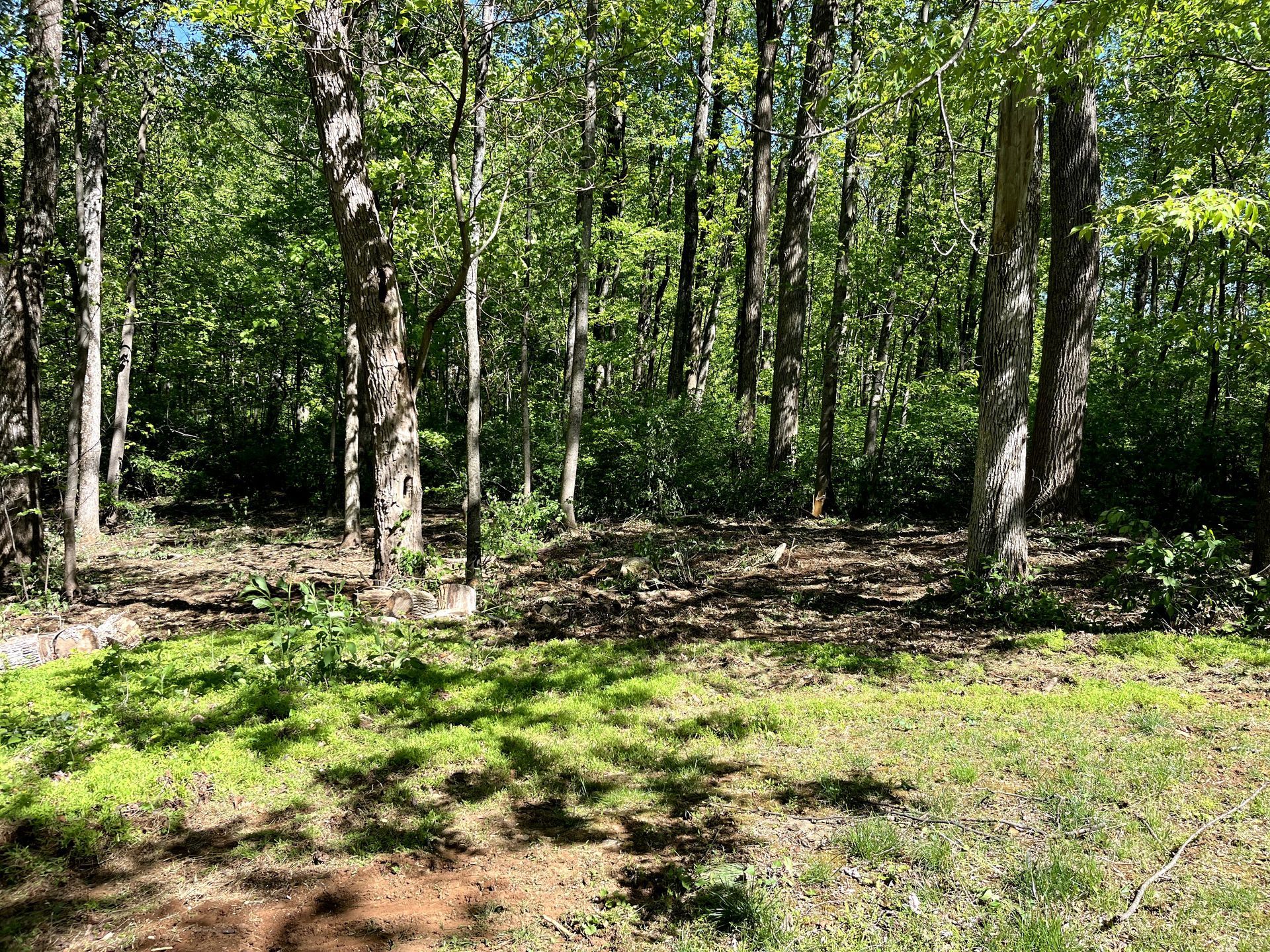
Tree bases and stumps left behind after land clearing create obstacles that interfere with mowing, block access routes, and complicate future development or planting projects. BlueRidge Brush Clearing LLC processes remaining tree bases into ground-level mulch across Stephens City and surrounding Virginia communities, eliminating protrusions that cause equipment damage and improving land usability. After tree base mulching is complete, the property surface becomes smoother, safer to traverse, and easier to maintain without navigating around dozens of stumps scattered across cleared areas.
Tree base mulching addresses the remnants left after brush clearing or forestry mulching removes standing vegetation but leaves bases too large to process during initial clearing. Specialized equipment grinds these bases to ground level or slightly below, distributing wood material across the site rather than leaving raised stumps that create tripping hazards or damage mower blades. The process applies to wooded acreage, trails, fence lines, and access routes where remaining bases prevent smooth land use.
Request a free estimate to assess remaining tree bases and discuss processing options for your cleared property.
What You Notice Once Bases Are Processed
Processing equipment grinds tree bases using rotating teeth that reduce wood to chips and distribute material evenly across the work area. The machine removes bases to ground level or slightly below the surface, depending on soil conditions and intended future use. This method eliminates the need for stump grinding services that operate one base at a time or excavation approaches that disturb large volumes of soil and create depressions requiring fill material.
Once processing is finished, you move across the property without avoiding scattered stumps, mow cleared areas without hitting obstacles, and prepare land for trails, planting, or construction without additional excavation. The mulched wood material decomposes over time, and the smoother ground surface reduces maintenance effort compared to navigating around bases that protrude above grade. Properties with numerous bases from dense forest clearing benefit significantly because processing eliminates dozens or hundreds of individual obstacles in less time than removing each one separately.
Tree base mulching services scale to match the number and size of bases remaining after initial clearing projects. Some properties require processing along specific routes like trails or fence lines, while others need comprehensive base removal across entire acreage cleared for future use. Costs reflect the quantity, diameter, and accessibility of bases rather than property size alone, as dense forest areas contain more bases per acre than lightly wooded lots.
Answers to Frequent Service Questions
Property owners across Stephens City and the Shenandoah Valley ask practical questions about tree base processing, timing relative to other clearing work, and results they should expect after mulching is completed.
What size tree bases can mulching equipment process?
Equipment handles bases ranging from small saplings to trees several inches in diameter effectively, but extremely large bases from mature trees may require additional passes or alternative removal methods depending on wood density and root structure.
How does tree base mulching improve property safety?
Processing eliminates raised stumps that cause tripping hazards for people walking the property and damage blades on mowing equipment or undercarriages on vehicles driving across cleared land.
When should tree base mulching be scheduled after initial clearing?
Scheduling base mulching immediately after clearing allows equipment to work efficiently while access routes are open, but the service can also address bases left from previous clearing projects completed months or years earlier.
What happens to the mulched wood material after processing?
Processed wood remains on-site as mulch that decomposes naturally over time, adding organic matter to the soil and avoiding disposal costs or hauling requirements associated with stump removal methods that extract wood entirely.
How does base mulching compare to traditional stump grinding?
Mulching processes multiple bases quickly across large areas using equipment designed for land clearing, while stump grinding operates one base at a time and typically leaves deeper holes requiring soil fill to restore grade.
BlueRidge Brush Clearing LLC provides tree base mulching solutions for residential, recreational, and rural properties throughout the region, backed by equipment designed for rough terrain and efficient processing. Contact us for a property assessment and free estimate tailored to your land cleanup needs.